
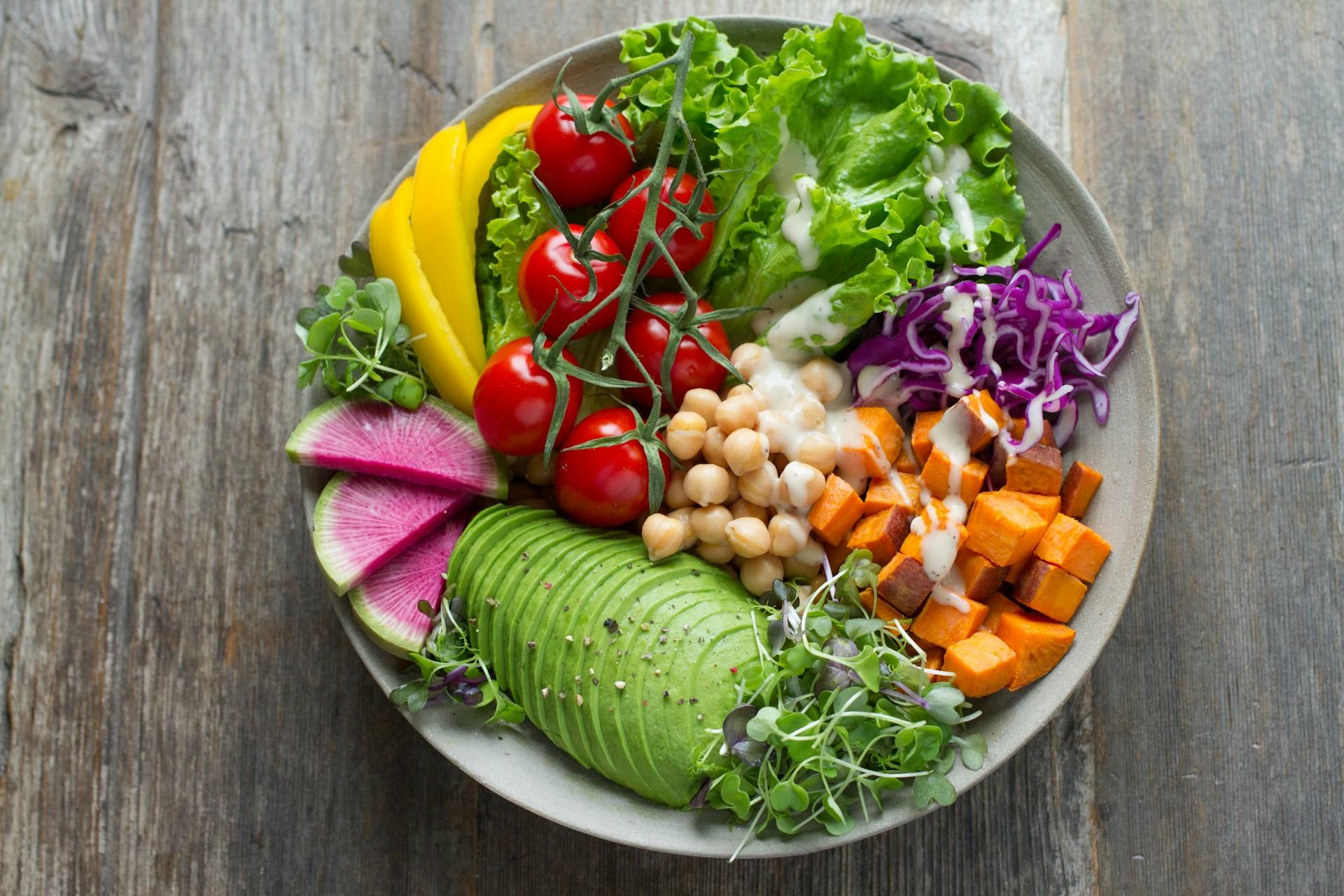

“A fit, healthy body—that is the best fashion statement” - Jess C ScottYoga is a discipline that almost everyone is familiar with. Breathing exercises, stretches, meditation, and muscle training are all parts of yoga that you’ll become familiar with as you practise more. These exercises will help you get into shape, which is why yoga has become so popular. Somewhere between 300,000 and 460,000 people are thought to regularly practise yoga in the UK. 21 June is the International Day of Yoga, also known unofficially as Yoga Day, is when yogis come together to celebrate their way of life. Given how important yoga is to a lot of people, it goes without saying that your diet will play a large role in your life as a yogi. The yoga near me practice can help you improve your flexibility through yoga poses, breathing techniques, awareness of yourself and your surroundings, healing through a meditative routine, and achieving happiness through relaxation and exertion. But what is a yogic diet? Is there even such a thing? What’s in it? Don’t panic. We’ll explain everything you need to know!

The best Yoga tutors available


Isabela
Ksh. 8,603
/h

1st lesson free!

Meera
Ksh. 4,100
/h
1st lesson free!

Deep
Ksh. 6,486
/h
1st lesson free!

Sparsh
Ksh. 1,351
/h
1st lesson free!

Ajay
Ksh. 1,082
/h
1st lesson free!

Balwant
Ksh. 2,840
/h
1st lesson free!

Deepti
Ksh. 2,027
/h
1st lesson free!

Megha
Ksh. 2,028
/h
1st lesson free!
Isabela
Ksh. 8,603
/h
1st lesson free!
Meera
Ksh. 4,100
/h
1st lesson free!
Deep
Ksh. 6,486
/h
1st lesson free!
Sparsh
Ksh. 1,351
/h
1st lesson free!
Ajay
Ksh. 1,082
/h
1st lesson free!
Balwant
Ksh. 2,840
/h
1st lesson free!
Deepti
Ksh. 2,027
/h
1st lesson free!
Megha
Ksh. 2,028
/h
1st lesson free!
The Importance of Diet with Yoga
With so many people interested in what they need to eat in order to lose weight, how to eat fewer calories without feeling hungry, how to eat more healthily, how to avoid dairy, fat, or gluten, choosing what to eat can become really complicated. It can be difficult to put together a balanced diet that you actually enjoy.
The Yoga Diet, Where Mindfulness Meets the Plate
An important part of a yoga diet, as you’ll have understood, is that you’ll want to see what’s on your plate. Whether it’s vegetables, grains, vegetable proteins, or a snack, every part of the food you eat is important and can help you to see every part of life more spiritually, especially when it comes to eating.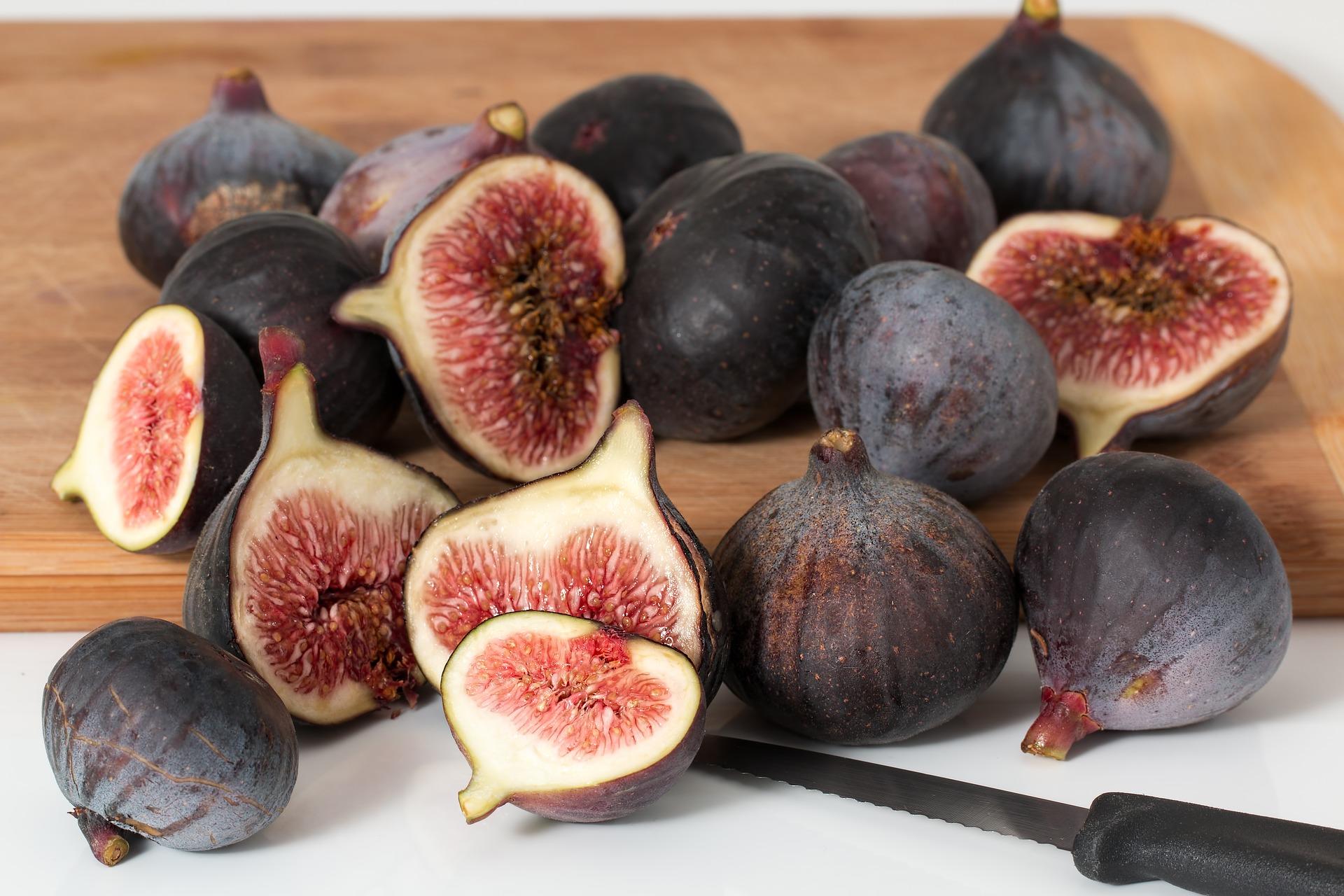
The best Yoga tutors available
Isabela
Ksh. 8,603
/h
1st lesson free!
Meera
Ksh. 4,100
/h
1st lesson free!
Deep
Ksh. 6,486
/h
1st lesson free!
Sparsh
Ksh. 1,351
/h
1st lesson free!
Ajay
Ksh. 1,082
/h
1st lesson free!
Balwant
Ksh. 2,840
/h
1st lesson free!
Deepti
Ksh. 2,027
/h
1st lesson free!
Megha
Ksh. 2,028
/h
1st lesson free!
Isabela
Ksh. 8,603
/h
1st lesson free!
Meera
Ksh. 4,100
/h
1st lesson free!
Deep
Ksh. 6,486
/h
1st lesson free!
Sparsh
Ksh. 1,351
/h
1st lesson free!
Ajay
Ksh. 1,082
/h
1st lesson free!
Balwant
Ksh. 2,840
/h
1st lesson free!
Deepti
Ksh. 2,027
/h
1st lesson free!
Megha
Ksh. 2,028
/h
1st lesson free!
Vegetarianism, Applying Yoga to Diet
We have to say that there is no single yogic diet but instead, you’ll find a lot of different yogis with different diets. Vegetarian, raw foodism, vegan, etc., there are as many different diets as there are yogis. However, there is a lot of overlap between the philosophy of vegetarianism and the philosophy of yoga. It goes without saying that eating vegetables and natural ingredients come with a lot of benefits.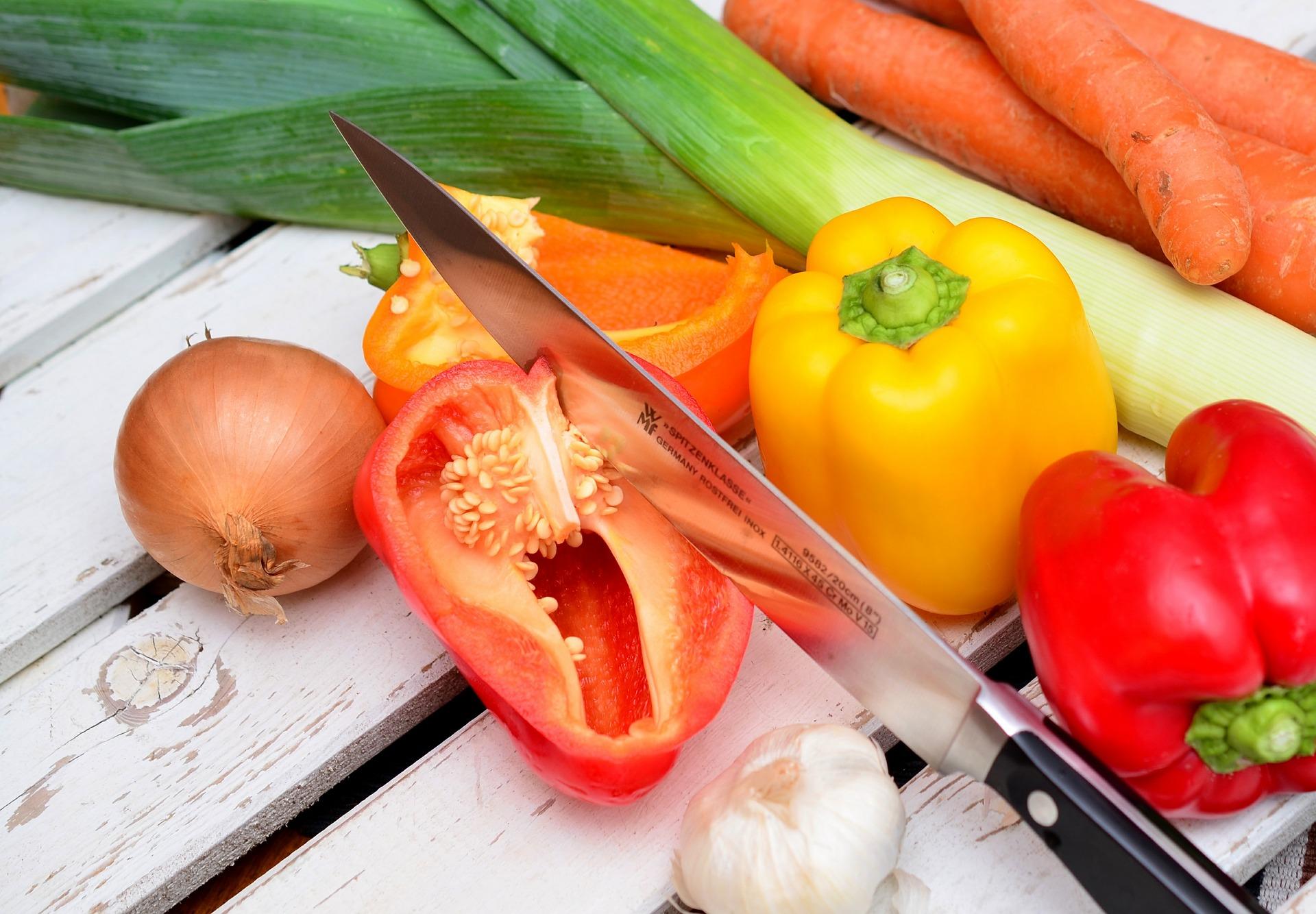
Raw Foodism and Yoga, A Duo that Works
When most people think of raw foodism, they tend to think of boring and tasteless food. However, you’ll see that yoga and raw foodism can create food full of flavours and colour that gets the most out of the ingredients while keeping all their nutrition. Digestion will also be easier.
Yoga and the Paleo Diet
The paleo diet is definitely compatible with the teachings of yoga. But what exactly is the paleo diet? It’s all about eating food from the palaeolithic age. But how do you do this? The idea is that you only eat exactly what you need in terms of nutrition. This means you’ll get rid of processed ingredients, a lot of cereals, and dairy products. Both the paleo diet and yoga are about going back to our roots and living as well as we possibly can. Yoga is, therefore, compatible with this type of diet because it’s about making life simpler and more fulfilling. As you can see, yoga can work with plenty of different diets even though there isn’t a single “yoga diet”. It will really depend on the person, their personality, their desires, their religion, their mood, etc. Whether you choose not to eat fish, only eat raw and organic ingredients, or like a caveman, there are plenty of ways you can get your body and mind to coexist peacefully through food. After all, yoga is all about bringing the mind, body, and spirit into a state of harmonious coexistence. Remember that food is a driving factor behind our mental and physical wellbeing. So are you ready to change your life? While you may do an asana or two in your yoga classes near me, a good posture isn't just the only way to enjoy the benefits of yoga. Whether you do hatha yoga, vinyasa yoga, Iyengar yoga, Ashtanga yoga, kundalini yoga, or power yoga, you can always ask your yoga teachers about what they eat and some of their favourite meals. While each yoga teacher or instructor will probably have different foods that they like to eat, it'll help you get a deeper understanding of how your body, mind, and spirit If you do yoga, don't show up to a yoga class having eaten a load of junk food, carefully plan what you eat before and after yoga. It's incredibly difficult to work on your pranayama, alignment, and do yoga postures if you're feeling bloated or full of food. While you probably think about yoga and meditation together, you probably don't think so much about yoga and cooking or meditation and cooking. The act of cooking and eating works with the yoga philosophy because it's incredibly holistic. In fact, rather than do a sun salutation, you can gain a deeper understanding of your world by focusing on the restorative properties of the food you eat, how you prepare it, and taking the time to focus on it as you eat. Even a beginner can relax and eat their food in a calm and peaceful environment (you don't need to be sitting on your yoga mat while you do!), pay attention to how you breathe, enjoy the vitality that your food can bring you, and experience every aspect of your food!Summarise with AI:
Did you like this article? Leave a rating!

 Loading...