Read our guide to becoming a Japanese tutor. Discover everything you need to know about private tutoring including what qualifications you need and which resources to use.
Practised by more than 127 million people, Japanese is today the 9th most spoken language in the world. Thanks to its impressive cultural growth, Japan is attracting more and more English and American people, who flock to discover and view the country's latest technological inventions! Many of our compatriots (and especially young people) are now interested in knowing the Japanese language by heart. Some are even choosing to extend their language studies with a Japanese course at university! So, why not get started with Japanese tutoring?
Becoming a Japanese tutor typically requires a combination of education and experience.
Education: A bachelor's degree in Japanese, Japanese Studies, or a related field is often required. Many tutors also have a master's degree in Japanese or education.
Experience: Many Japanese tutors have spent time living and working in Japan or studying the language and culture extensively. Tutors who have lived in Japan or studied abroad will have a deeper understanding of the language and culture, which will allow them to better teach their students.
Teaching skills: Tutors should have a strong understanding of the Japanese language, including grammar, vocabulary, and writing. They should also have strong teaching skills and be able to adapt their teaching methods to different students.
Certification: Some states or school systems require certification to teach Japanese. If you want to be a tutor in a public school, you will need to be certified.
Cultural Knowledge: Tutors should have a good understanding of Japanese culture and customs, and be able to share that knowledge with their students to help them understand and appreciate the culture.
Networking: Building a network of clients is important to succeed as a tutor, so you should be prepared to market your services and reach out to potential clients.
It's important to note that the requirements for becoming a tutor may vary depending on the country and the type of institution you plan to work for. Whether Japanese is your mother tongue or not, you can easily find a wide range of students interested in your classes, particularly if you offer lessons for a range of levels. Here are our tips to help you become an in-home Japanese tutor and expand a great tuition business with five-star reviews!
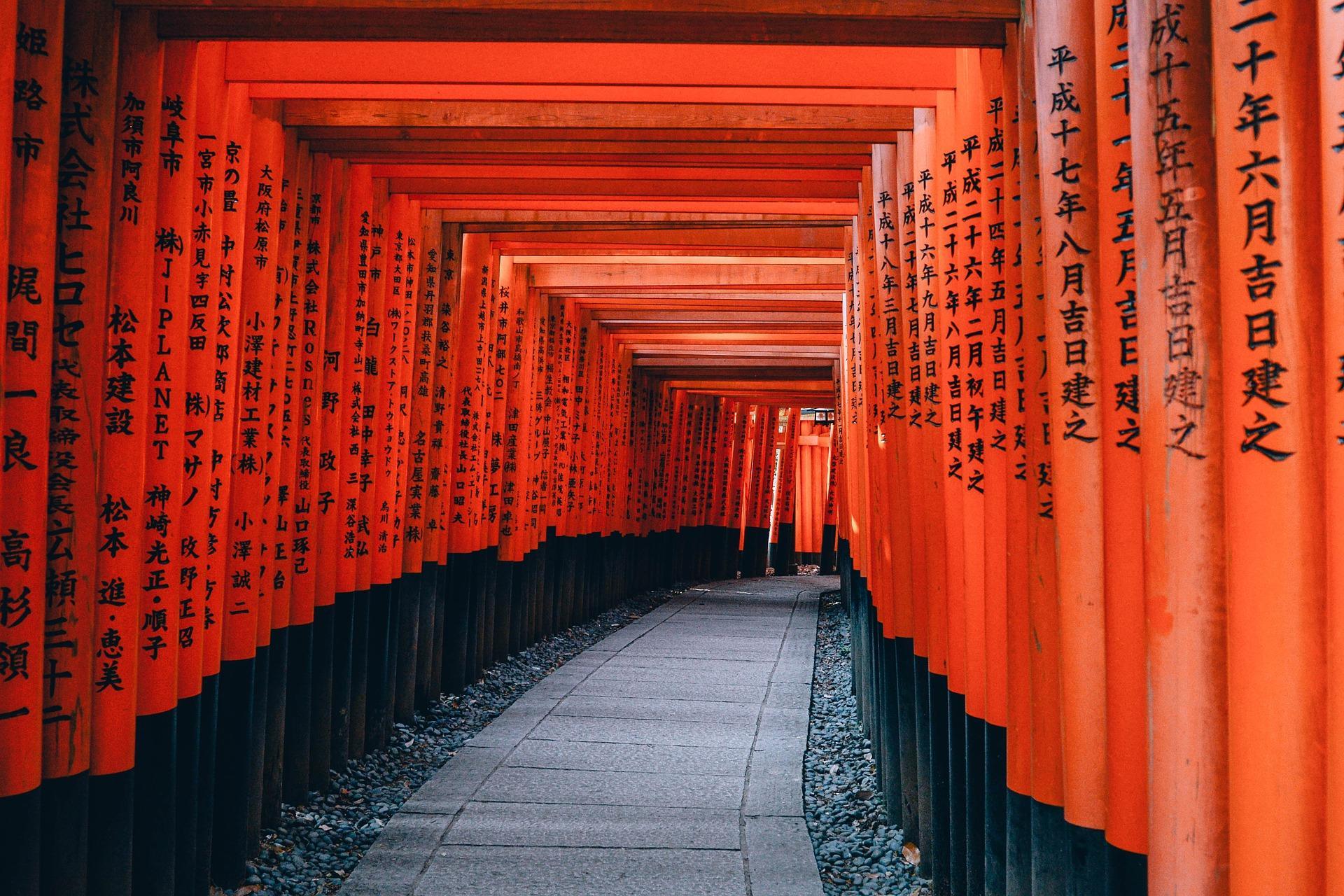
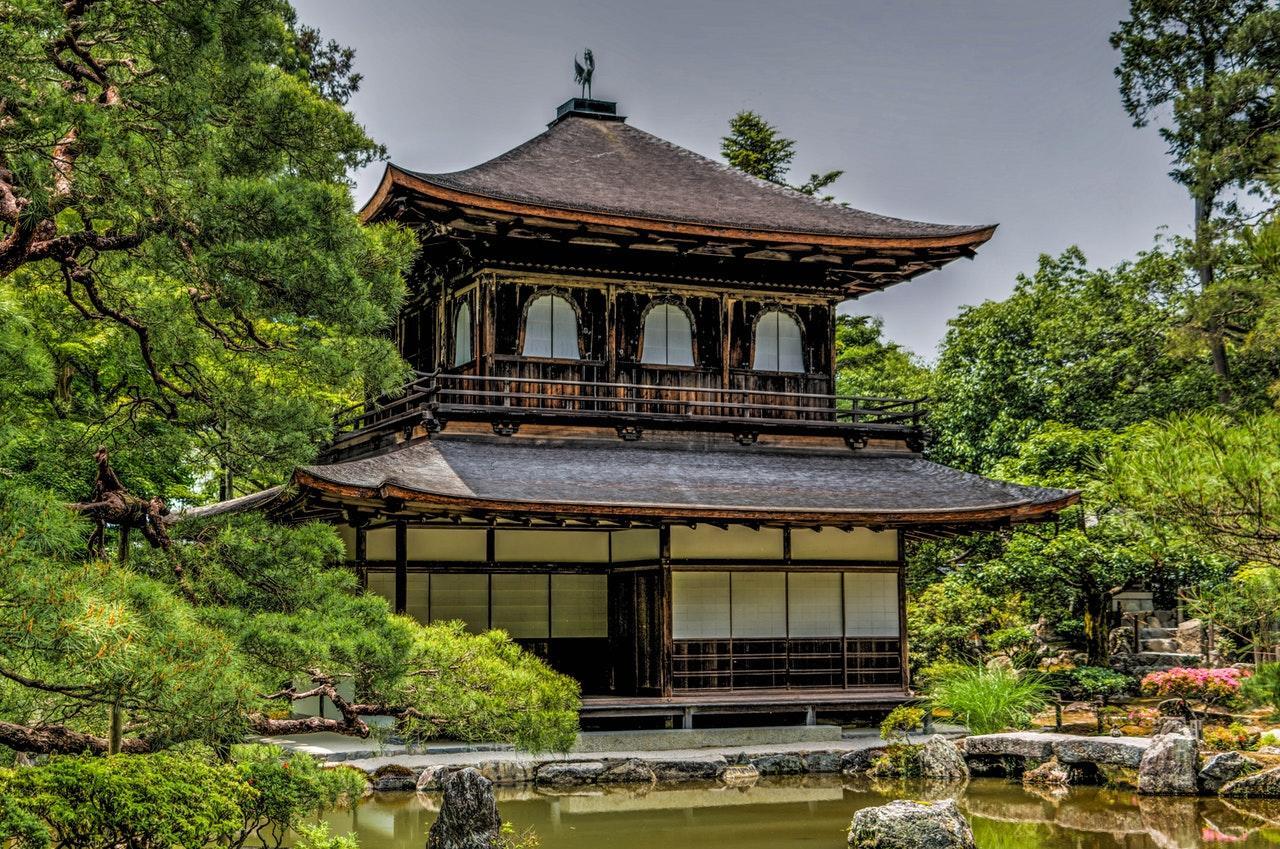
Depending on the type of teaching you are interested in, teaching Japanese will fluctuate in difficulty. If you want to be a traditional teacher and give classes in Japanese grammar, Japanese writing, or Japanese conjugation in school, you will need a diploma! But tutoring jobs are great jobs for ex-teachers or those looking for a way around getting a diploma. Indeed, national education asks that its teachers have a BA in the language in order to teach at the middle school and high school levels. If you are looking to be a professor/researcher in Japanese, you will need to catch a recruiter's eye with a PhD. On the other hand, if you want to become a Japanese tutor, no diploma is needed! Private tutoring is open to all from the age of 14 onwards, so starting from the GCSE level and way past college. What's more, if you have been a learner of an Asian language like Chinese or Japanese yourself then you may be more attractive as a choice because you are able to explain the language acquisition process from a non-native point of view, sharing your tips and tricks! Check out tutoring jobs London here on Superprof. How about learning Japanese in the heart of Japan, where everything is almost as picturesque as what is pictured here?However, some elements of your professional training will be particularly appreciated by your student:
Having lived in Japan, studied in Japan, taken a language study trip there or worked in Japan for a few years,
Having a GCSE in Japanese,
Having a read Japanese at university (BA or Bachelor of Arts degree)
Having an MA in Japanese,
Having another language certification,
Taking a MOOC course on the Japanese language and culture,
Passing a Japanese SAT Subject Test
Having a JLPT - Japanese Language Proficiency Test
A trip to the country of the Geisha is of course recommended, and almost mandatory. During Japanese language classes, many students want to discover the country of the rising sun's culture! In order to know the Japanese culture by heart, the best is to live in immersion in the Japanese archipelago and communicate directly with the inhabitants. Whether you are a Japanese-American or simply one of our compatriots, you will be able to give Japanese language lessons at a regular pace to ensure the progress of your students!
Do You Need to have a Japanese Language Qualification to Teach Japanese?
There are a number of qualifications you could earn linked to Japanese currently - a BA Hons degree, a Masters (MA), a MOOC course accreditation, a SAT, the JLPT or Japanese Language Proficiency Test, and more - but do you in fact need one of these to get started as a Japanese tutor? Surprisingly, no! There's the thing, while you might need some or all of these to become an official GCSE or university teacher, that's not necessarily the case for becoming a language tutor. Becoming a tutor is much more hassle-free than getting involved in teaching and tutors can earn good money if they can show years of experience and positive reviews. So, as a standard, a KLPT would be very advantageous to prove your fluency in the language. (Just like if you were teaching Chinese or English, you'd have a proficiency test in both these languages probably). However, you must still have the same passion for teaching as a qualified teacher would do because otherwise, you'll see your tuition business going nowhere if you aren't motivated by and committed to getting your pupils the grades they want to achieve or reach their personal goal. Ready to get started as a language tutor? Then join Superprof and get working now!
So What Do You Need in Order to Give Japanese Classes?
As we've just discovered, to teach Japanese, there's no need to have a Master's degree! But you do first need to "master" the basics of the language, i.e.:
Know how to count in Japanese,
Know most of the signs of the language (kanji, kana, katakana or hiragana),
Learn to pronounce Japanese words well,
Have a good Japanese accent,
Practice speaking with native speakers (for example, having a Japanese penpal),
Eventually, you should know the details of life in Japan (courtesies, Japanese cuisine, how a normal conversation happens etc.). The basic teachings of the Japanese language can easily be mastered through Japanese language intensives, for example. You do not have to be an expert in the language: many students will use your services for a simple introductory course. Therefore, whatever your level, you can offer Japanese language classes to all willing students! Get lost in the Japanese language!4 types of teachers are distinguished:
The professor-student who teaches beginners to finance his studies.
The bilingual teacher who has already travelled to Japan and who is fluent in the language.
The native teacher who has Japanese as his mother tongue.
The teacher of National Education who is a graduate and / or an associate.
Of course, your level will have a direct impact on the price of your private lesson: the more qualified you are, the more expensive your class will be! It is not enough to analyse his level to teach Japanese, but that of students, then? Yes, some types of students will be more adapted to your teaching: for example, if you have a plethora of advanced Japanese diplomas, you will be a great teacher for a student trying to pass the Japanese SAT Subject Test or studying for an entrance exam to a Japanese school. Beginner students are more suited to teachers-in-the-making who can help them more basic tasks like how to read in Japanese.
How Do You Find the Students for Your Japanese Classes?
Learning Japanese has never been so popular! Attracted by its very original culture, many young American people today want to travel to Japan and be part of a host family in order to immerse themselves in the springs of this civilisation. If you look hard enough, you cannot miss the slew of students interested in Japanese classes! You still don't know how to find students for your Japanese classes?Here are some techniques to help you:
Talk to your family and loved ones about your teaching approach in order to allow for word of mouth.
Get the word out in your neighbourhood to promote your classes.
Post ads in schools to reach students directly (language schools, universities...).
Post ads in department stores in order to reach families.
Start a teacher's profile on sites such as Superprof...
What if you dressed up as a geisha for your classes? If "physical" ads do not work, try to post your tutoring ad on the internet. Thanks to Superprof, you can give Japanese lessons remotely: with only your webcam, you will be able to reach students from all over the world! Do not hesitate to surf the chat forums dedicated to the country of the rising sun. There are tons of active ones where students ask for tutors! You may be able to contact a student interested in your private tutoring lessons! Don't forget to indicate your contact information (email address, phone number ...) in your ads in order to facilitate communication with the students. Some sites even offer online chat rooms to discuss Japanese classes! No need to travel to Japan: you will go directly to the student to help him progress in the language of Mishima!
How Does One Organise a Japanese Tutoring Class?
Having a student is not everything. Once you have them how can you teach Japanese effectively?What is the best way to organise your Japanese tutoring class in order to get good results?First, use your first hour of class as a kind of introduction to any future teaching. Its important to define the student's expectations: between easing into discovering the basics of the language to expressing themselves in everyday life, there is a difference! You will also have to know where your student is headed. If he or she wants to prepare a Japanese entrance, for example, your lesson should be more academic. Also be aware that learning a new language is much more effective for young students! If your student is an adult, you will need to take your time and use pedagogical methods to help him or her in his or her late learning. Start with the basics of teaching:
Revising previous lessons,
Textbook exercises,
Online tests,
Getting an adapted schedule going,
Definition of short or long term goals,
Constantly learning new signs in Japanese writing (there are more than 5000 to remember!),
Assessment of skills at the end of the session.
However, you do not want your Japanese class to be like a classic school lesson. Tutoring's greatest asset is originality! If you would like to differ from a basic class, it's essential for you to really take a look at Japanese culture. Sushi is a great way to get a student interested in Japanese culture!Don't hesitate to introduce the Japanese culture to your student:
Mangas and animated cartoons,
Video games,
Robots
Calligraphy,
Japanese cuisine,
Origami,
Ikebana,
Reading haikus, etc.
Your class will become much more educational and you will awaken your student's deep interest in the subject!
Resources to Help you Teach Japanese
If you don't have access to official school curriculum resources (yet you should aim to tailor your course to this national curriculum in order to teach the right things), then there are many resources to help you stay on track with your teaching content.
Websites
For instance, you might like to visit the following websites which are specifically aimed at those teaching Japanese across a number of levels and different courses:
Choosing the right textbook is key to succeeding as a tutor. So, if you are looking for some extra resources to use alongside your teaching, perhaps if you are teaching an older pupil who is not as fussed about keeping to a curriculum, then you may like to consider one of the following textbooks:
Japanese from Zero!, Trombley (Ideal for beginners and intermediate students. Includes grammar, vocabulary, writing, and pronunciation lessons and offers worksheets.)
Living Language Japanese, Living Language Method (From beginner to advanced level. Includes 3 coursebooks, audio CDs, reading ad writing guides and online lessons.)
Japanese, Comprehensive, Pimsleur (Level-specific courses. Focuses on speaking and listening)
To supplement your own teaching, it's also wise to keep your language skills strong, so why not dip in and out of a good Japanese novella or a series of short stories every so often?
How to Set the Right Price for Japanese Classes?
Do you want to get started in Japanese language teaching, but you do not know how to price your Japanese class? Do not panic: here are our solutions! First of all, keep in mind that the average of a Japanese course on Superprof is 20.17 €. This price can obviously vary according to your teaching. Indeed, depending on your type of course and your experience, rates can change from 10 € / hour to 30, or 40 € / hour! Here are some conditions to consider:
If you go through a private tutoring organisation, the company will set the price of your course.
If you go through an online platform (Superprof, for example), it's up to you to choose your rate.
The price evolves according to your diplomas and experiences.
The price changes according to your student's level.
Your available material will have your course rate increase or decrease (for example, if you help your student to learn calligraphy through your own material, your course will be more).
The distance can lead to important transportation costs: adapt your rate to the student's distance from your home.
You can offer attractive packages to get more students (for example, for ten hours of classes purchased, one hour is given free).
On Superprof, 92% of our teachers do not have students pay for the first hour: this introductory session will allow you to better define your future rate according to the expectations of the student.
The average rate for one hour of Japanese tutoring is 25 USD. If you choose Japanese as your foreign living language, you won't face a lot of competition. Indeed, the most popular languages remain French, Spanish and German! Thanks to this, you will not necessarily need to lower your prices to make you stand out!Thanks to our advice, you now have the keys in hand to get started in the Japanese private education realm!
Shoguns and Their Impacts on Japan Japanese shoguns ruled the country for more than 700 years, if we take the lean measure. They were often ruthless men, self-indulgent, and neglectful of their duties as leaders. However, more than a few are legendary, both for their wisdom, and their efforts to improve Japanese society. This article […]
The Basics of Learning Japanese Few people who set out to learn a new language give any thought to their endeavour being a lifelong undertaking. In fact, as a native speaker of English, you might not even believe that you too are perpetually learning new things about the language you use every day. Seen in […]
The 4 Main Islands of Japan Japan is made up of four main islands. Honshu, the biggest of the four, is home to the Japanese capital of Tokyo as well as several other large cities. Hokkaido, to the north, is a popular holiday destination, especially when it comes to winter sports. In the south, we […]
Japanese Systems of Writing There are three types of writing systems in Japanese, and each one of them serves a specific purpose in a text. This is one of the main reasons why the language is often touted as being one of the most notoriously difficult to master, especially when it comes to reading comprehension […]
A Guide to the Japanese Tea Ceremony “You're all late for tea!” - March Hare, Alice in Wonderland 4.1 million tonnes of tea are produced globally every year. This equates to 130kg per second. While China is the largest producer of tea, Japan is famous for its tea ceremony. Preparing tea in Japan is an […]
The Guide to Mount Fuji If you want to travel to Japan, you’ve probably already planned to visit the main cities like Tokyo, Osaka, and Kyoto. It’s true that there are a lot of things to do in the Land of the Rising Sun, whether it’s visit sprawling urban jungles or the history, temples, and […]
The Tourist’s Guide to the City of a Thousand Temples The ancient capital of Japan located near the Kamo river and part of the Kyoto prefecture, Kyoto is the 8th largest city in Japan by population with about 1.4 million residents. Home to hundreds of shrines, heritage sites, and festivals, the city is often considered […]
Entertainment in the Land of the Rising Sun Nippon is one home to one of the oldest civilizations on earth and, because of this, has witnessed countless examples of artistry in the forms of sculpting, painting, photography and film-making. Having influenced East Asian popular culture since time immemorial, Japan saw artistry flourish even in the […]
The Practical Guide to Japanese Folklore In Asia, there are plenty of different countries, each with their own diverse culture. Japan is one of the eastern countries that many people are interested in because of its cuisine, art, countryside, and cultural heritage. An estimated 20 million tourists will visit the country in 2020. Japanese culture […]








 Loading...